Start with the clothes you already reach for
Before choosing a print or fiber, look at three outfits you wear often rather than an imagined occasion. Place a favorite coat, a typical work layer and a casual top side by side. Are their necklines open or high? Are the surfaces mostly plain, textured or patterned? An accessory has an easier job when you know which of these outfits it needs to join. A scarf that works beautifully with one photograph but competes with every coat in your closet may not be the most useful choice.
UniqueYou’s emphasis on elegant, accessible accessories makes sense as a wardrobe-matching exercise rather than a demand to rebuild your style. If your clothes are mostly dark, a lighter scarf can create definition around the face; if your wardrobe contains several warm neutrals, a deeper brown or muted contrast may provide enough separation. The aim is not to obey a rigid color rule. It is to notice whether a scarf connects two garments you already like wearing together.
Decide what the scarf needs to do
A long scarf, a broad shawl and a square scarf do different visual work. A narrow fold can sit neatly beneath a jacket collar, while a larger wrap can cover shoulders over a dress or become an extra layer with a coat. A square scarf can add a compact accent at the neck or be styled around the hair, depending on its dimensions and how it handles. Choose the intended use first; a generous drape is not automatically better if you usually want a small, tidy knot.
Think about the outline of your clothes as well as the accessory itself. A roomy coat can accommodate more fabric, but a closely fitted blazer may feel crowded by a bulky loop. If a dress has an ornate neckline, placing a shawl across the shoulders may keep that detail visible better than gathering fabric at the throat. For everyday use, imagine the moments between arrival and departure: will you want to take the scarf off, carry it, retie it or keep it in place all day?
Read material names as a starting point, not a complete specification
UniqueYou includes silk, cashmere and wool categories, but a category name does not establish the composition of every item in it. Check an individual product’s stated material, size and care information before deciding whether it suits your needs. Silk may appeal when you want a smoother-looking accent; wool may be a useful category to explore for cooler-weather styling; cashmere may interest someone seeking a particular soft, understated look. The right choice still depends on the actual piece and how you plan to wear it.
Fabric behavior matters as much as a familiar fiber name. Ask whether you want a scarf that folds into a crisp shape, falls in loose lines or sits broadly across the shoulders. Consider the clothing underneath: a surface that looks appealing against a smooth blouse might create a different effect against a textured knit. If comfort is a priority, think about where fabric will touch your skin and how often you will adjust it. Product-level details are more useful than assuming all pieces in one category feel or perform alike.
Use color to build a bridge, not a perfect match
Matching does not require finding the exact shade of a coat button or handbag. A scarf can repeat the general warmth of a camel jacket, echo a small color in a patterned dress or provide a deliberate contrast against black. With a mostly neutral wardrobe, test the scarf against both your lightest and darkest regular outfits. If it belongs with only one, that may still be worthwhile; it simply has a more specific role than an everyday accessory.
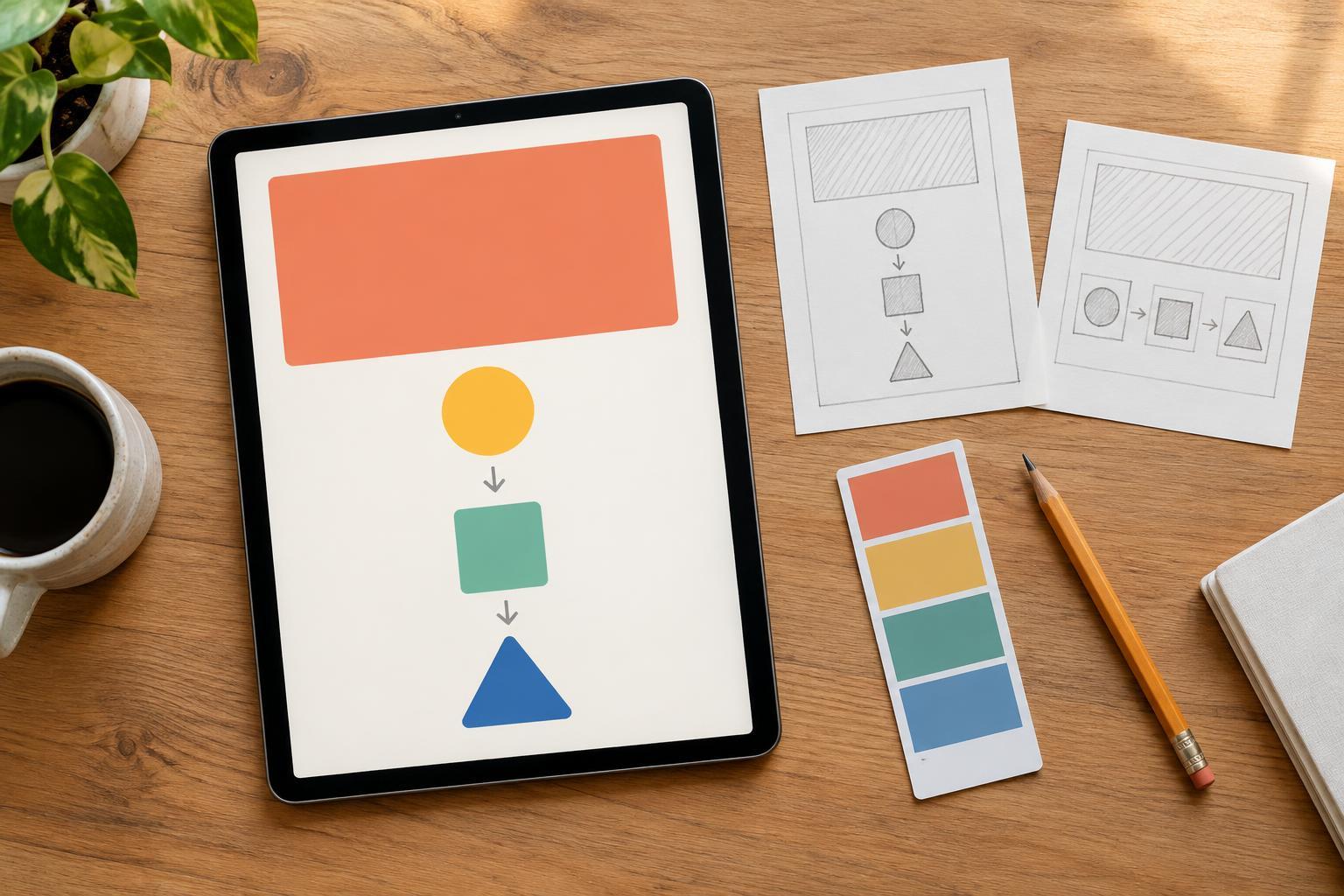
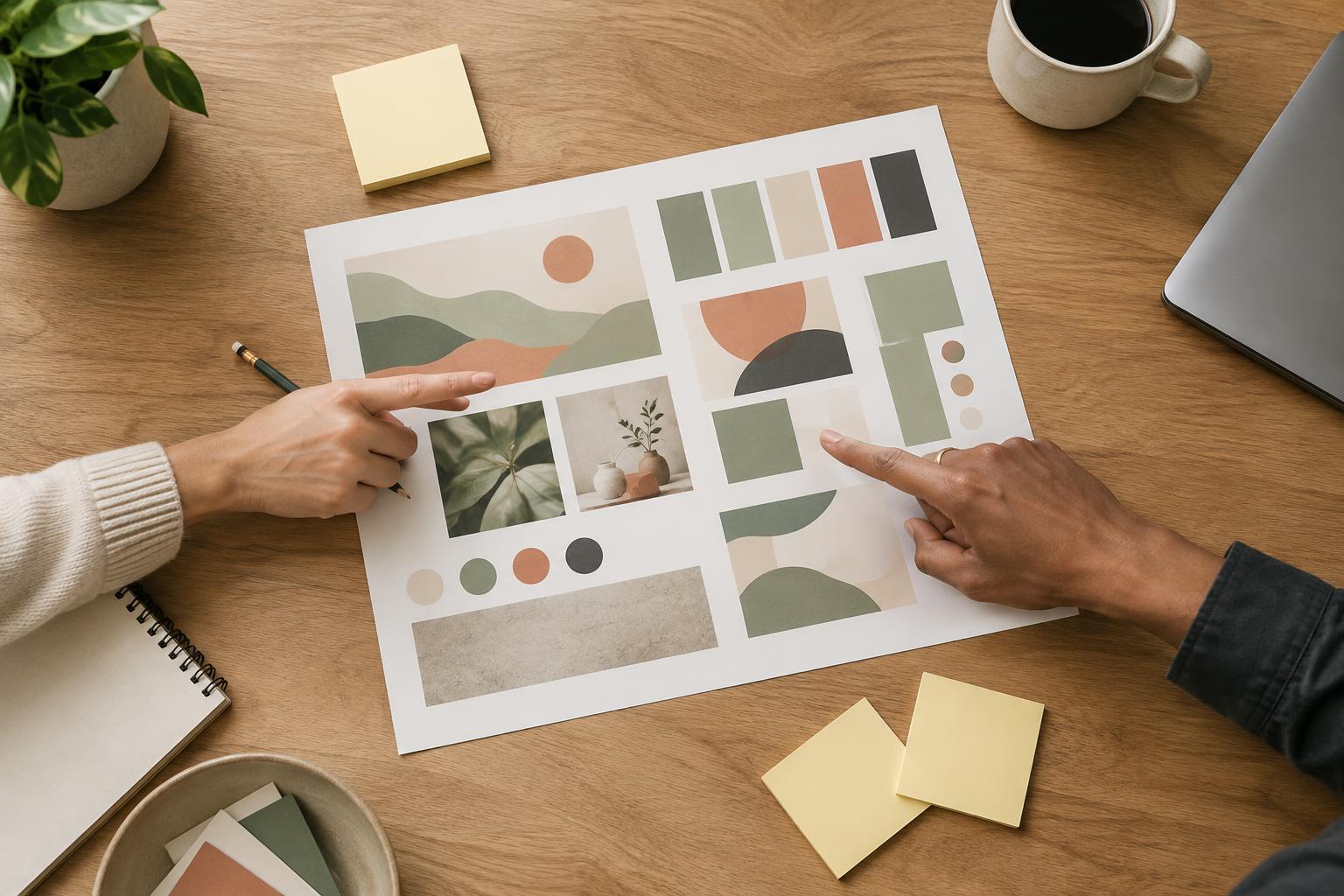
Color also changes with placement. A pale scarf close to the face draws attention upward, while a dark wrap spread over a light dress becomes a larger visual shape. Prints introduce scale as well as color: a small pattern can read almost like texture from a distance, whereas a bold motif becomes the focus. Borrow a useful principle from layout design: give the eye a clear hierarchy. If your jacket, jewelry and top already compete for attention, let the scarf be the calmer element; if the outfit is simple, let the accessory lead.
Choose a tie that respects the outfit’s proportions
Styling need not involve an elaborate knot. Try a loose single loop with a long coat, a simple fold tucked under a collar or a square folded into a narrow band for a smaller accent. Each changes where the fabric’s weight and color sit. If your top has a high neckline, a scarf hanging in two vertical lines can create a different silhouette from one wrapped tightly around the neck. A broad shawl can sit open over the shoulders when you want to preserve the line of a dress.
Test a style in motion rather than judging it only in a mirror while standing still. Sit down, put on your usual outer layer and see whether the arrangement remains comfortable. An accessory that needs constant correction may be better reserved for shorter outings or styled differently. There is no universal best knot: the useful one is the one you can make again, that suits the fabric’s dimensions and that leaves you comfortable throughout the occasion.
Make gifts personal without guessing too much
A scarf can be a thoughtful gift because it can join clothes someone already owns, but personal style is easier to observe than to invent. Look for colors the recipient wears repeatedly, whether they favor plain or patterned pieces, and how they use accessories in daily life. Someone who usually wears compact neck scarves may not want a very large wrap; someone who enjoys draping fabric over dresses may appreciate a broader shape. Think about the recipient’s habits, not just the season of the gift.
When uncertain, choose a role rather than a statement: a versatile accent for a familiar coat, a restrained layer for occasions or a color that connects several wardrobe staples. Check item-specific composition and care details if the recipient has strong preferences or sensitivities. A gift does not need to match every outfit, but you should be able to picture at least two ways the person might actually use it. That small exercise is more reliable than treating a dramatic product image as proof of everyday fit.
Keep the brand’s story in perspective
UniqueYou began in 2014 with scarves and clothing, paused, and later returned after recovering its domain. That is a history with an interruption, not a claim of uninterrupted trading. Its original brown wordmark includes a horse motif and the words “Since 2014,” while a neutral taupe palette gives the identity a quiet visual setting. Those details help explain the brand’s presentation; they should not substitute for examining the particular accessory you are considering.
The most useful way to approach the collection is through the pieces themselves: shape, color, stated materials and compatibility with your wardrobe. A recognizable identity can make browsing feel coherent, but it cannot tell you whether a square scarf is large enough for your preferred tie or whether a wrap suits your coat. Let the brand guide you toward a style of accessory, then use the individual product information and your own clothing as the final points of comparison.
Use a simple, repeatable selection workflow
A short checklist can keep browsing focused. First, name the outfit and occasion: for example, a plain navy coat for weekday travel or a dark dress for an evening gathering. Second, decide whether you need warmth, shoulder coverage or a visual accent. Third, select a likely shape and compare its stated dimensions with a scarf you own. Fourth, narrow the color or pattern to something that either connects with the outfit or provides a contrast you intend to wear.
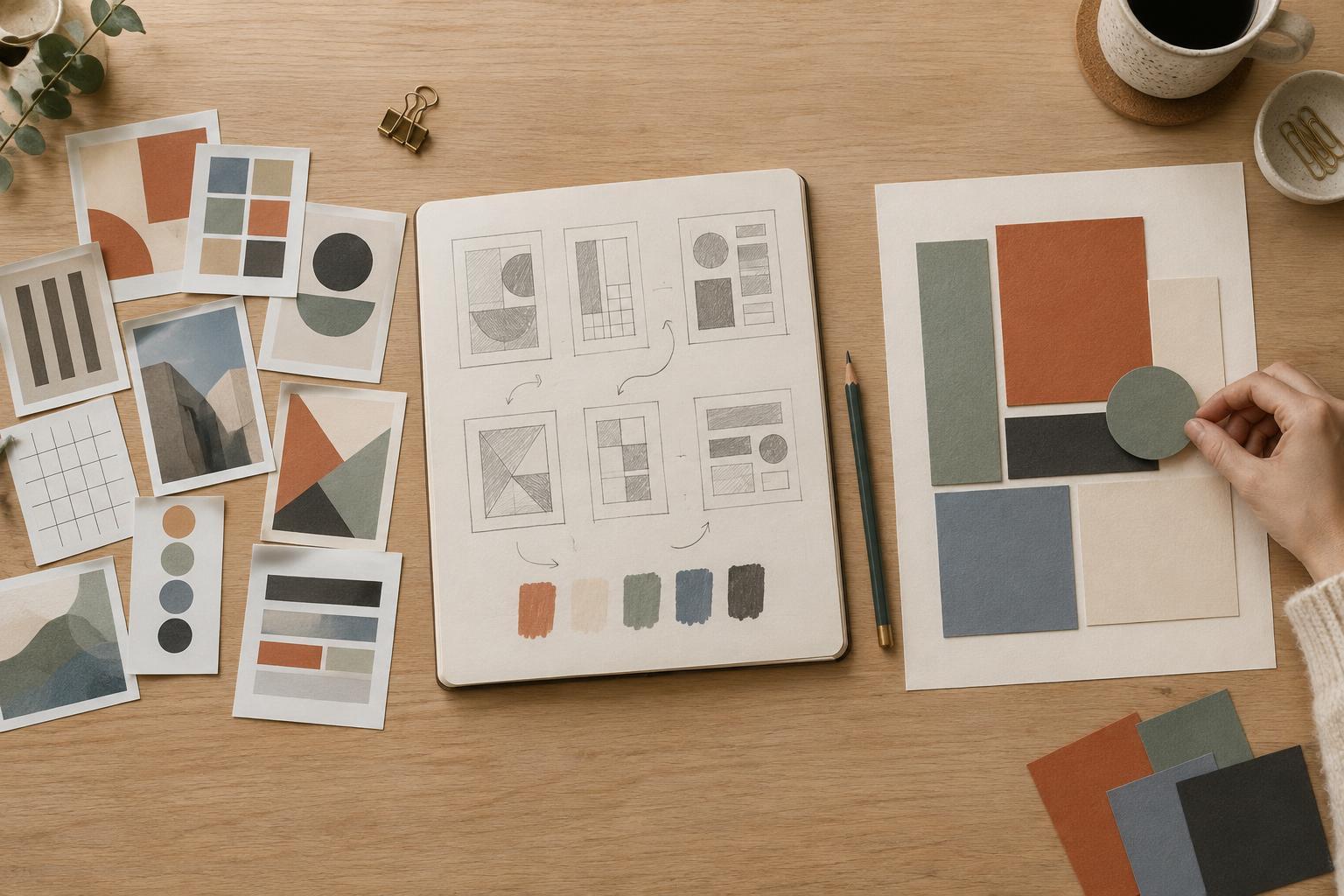
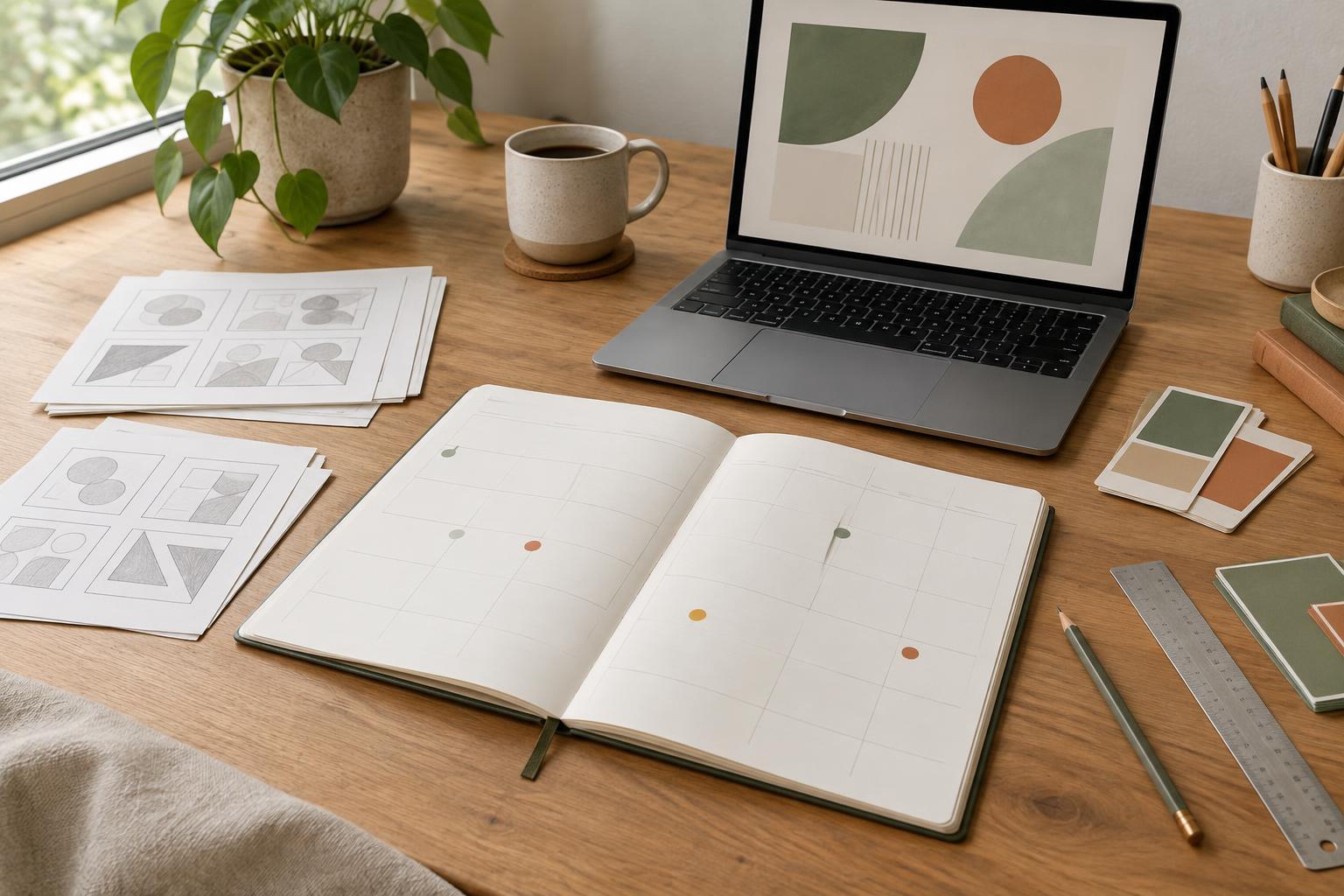
Finally, check the product details instead of relying on a category label or a styled image alone. If two pieces seem equally appealing, ask which one offers more plausible combinations with clothes already in rotation. You can even sketch a small wardrobe grid: list three familiar outfits and note where each candidate would work. This is the same discipline that makes a clear design layout useful—fewer competing choices, a visible purpose for each element and room for personal preference.
Browse in a language that makes details easier to assess
UniqueYou has 20 regional domains, 21 regional-language versions and 16 distinct languages. Those figures differ because countries may share a language, and one country can have more than one language version. In particular, the United Arab Emirates has an Arabic root destination and an English version at /en. The guide below separates those two destinations rather than treating them as interchangeable, while keeping each other listed country paired with its destination language.
Language matters most when you are reading the information behind an appealing image: product names, category distinctions and any item-specific details you need to understand before choosing. Use the regional guide as a route to relevant scarf categories, not as a promise that any material, size or style applies to every item. If you are comparing options across destinations, keep the same wardrobe question in mind so that different terms do not distract you from the accessory’s intended role.
Regional guide: choose a country and destination language
Each entry identifies the destination language before its links. The linked local expressions are navigation labels, not material or product guarantees; compare individual pieces with the wardrobe role you have in mind.
Poland — Polish destination
For the Polish-language destination, the home address is https://uniqueyou.pl/. The UniqueYou brand link — UniqueYou — points to black scarves, a useful comparison if you want an accessory to sit quietly beside a patterned coat. The Polish invitation to explore the offer — Poznaj ofertę — leads to wool shawls; check each item’s stated composition before choosing a layer.
Germany — German destination
The German-language UniqueYou entrance — UniqueYou — is a starting point for comparing shapes and colors with your regular outfits. For a softer contrast against dark outerwear, the German invitation to learn more — Mehr erfahren — leads to beige scarves. Consider whether the shade will distinguish your scarf from your coat or blend with it as a calm, continuous layer.
Czechia — Czech destination
For the Czech-language destination, the home address is https://uniqueyou.cz/. The UniqueYou brand link — UniqueYou — leads to silk neck scarves, worth considering when you want a smaller accent near a collar. The Czech invitation to find out more — Zjistěte více — opens shawls. Comparing those two shapes can clarify whether your wardrobe needs a compact detail or broader coverage.
Spain — Spanish destination
The Spanish-language home address is https://uniqueyou.es/. The UniqueYou brand link — UniqueYou — leads to black shawls, which can frame a lighter outfit without adding another print. For a more pronounced motif, the Spanish invitation to see more — Ver más — leads to leopard-print scarves. Try to decide which piece should be the focal point before pairing a patterned scarf with patterned clothing.
France — French destination
The French-language UniqueYou entrance — UniqueYou — lets you begin with the overall range. The French invitation to learn more — En savoir plus — leads to stoles, a category to consider if you want fabric across the shoulders rather than only at the neck. Check the dimensions of a particular piece against your dress or jacket so its coverage matches the occasion you have in mind.
Hungary — Hungarian destination
The Hungarian-language UniqueYou entrance — UniqueYou — provides the broader starting point. If you are looking for an accent with a different visual character from a heavy winter layer, the Hungarian invitation to learn more — Tudj meg többet — leads to silk scarves. Think about your usual neckline and preferred fold, then confirm the selected item’s dimensions and composition rather than inferring them from the category alone.
Italy — Italian destination
The Italian-language home address is https://uniqueyou.it/. The UniqueYou brand link — UniqueYou — leads to scarves, a useful place to compare color and scale. The Italian invitation to discover more — Scopri di più — points to scarves for the head and hair. If that is your intended use, consider how much fabric your preferred tying method needs, not just how the pattern looks when laid flat.
Romania — Romanian destination
The Romanian-language home address is https://uniqueyou.ro/. The UniqueYou brand link — UniqueYou — points to black scarves, which may connect several outfits that already contain dark shoes or outerwear. The Romanian invitation to find out more — Află mai multe — leads to shawls. Compare the compact neck accent with the broader shoulder layer before deciding which solves your wardrobe question.
Slovakia — Slovak destination
The Slovak-language UniqueYou entrance — UniqueYou — offers a place to start with your most-worn coat or jacket in mind. The Slovak invitation to find out more — Zistite viac — leads to neck scarves. For a useful comparison, imagine one styled inside a collar and another worn visibly over it; the better choice depends on the outline you want and the item’s actual dimensions.
Finland — Finnish destination
The Finnish-language UniqueYou entrance — UniqueYou — is the general starting point. The Finnish invitation to read more — Lue lisää — leads to scarves. If you need an accessory for a familiar outer layer, begin by checking whether you want a close neck wrap, a loose drape or a small color accent, then examine individual product details for the shape that fits that use.
Sweden — Swedish destination
The Swedish-language home address is https://uniqueyou-store.se/. The UniqueYou brand link — UniqueYou — leads to white scarves; the Swedish invitation to read more — Läs mer — leads to black scarves. Comparing those two directions beside the same coat can show whether you prefer a light focal point near the face or a darker accessory that follows the outfit’s existing palette.
Denmark — Danish destination
The Danish-language UniqueYou entrance — UniqueYou — is a place to consider the full outfit before choosing an accessory. The Danish invitation to read more — Læs mere — leads to silk scarves. If you are considering one for a blazer or simple top, compare its stated size with the fold you would actually wear and check the individual item details before making material assumptions.
Belgium — Dutch destination
The Dutch-language UniqueYou entrance for Belgium — UniqueYou — is distinct from the destination for the Netherlands. The Dutch invitation to discover more — Ontdek meer — leads to small scarves. That category may suit someone seeking a restrained accent at the neck; look at the dimensions of a specific piece if you have a particular knot or collar arrangement in mind.
Austria — German destination
For the German-language destination in Austria, the home address is https://uniqueyou.at/. The UniqueYou brand link — UniqueYou — leads to merino-wool scarves, while the German invitation to learn more — Mehr erfahren — leads to wool scarves. Use the two categories to narrow your search, but rely on each item’s stated composition, dimensions and care information when comparing actual pieces.
Netherlands — Dutch destination
The Dutch-language home address for the Netherlands is https://uniqueyou.nl/. The UniqueYou brand link — UniqueYou — leads to wool scarves; the Dutch invitation to discover more — Ontdek meer — leads to black scarves. These are different ways to begin a search, one by material category and one by color, so let your immediate wardrobe need determine which is more helpful.
United States — English destination
The English-language UniqueYou entrance for the United States — UniqueYou — gives you a general starting point. The English invitation to discover more — Discover more — leads to shawls. If you want one to accompany a dress, consider whether it should cover the shoulders, add contrast or simply connect the dress to other accessories, then check the dimensions of any candidate.
United Arab Emirates — Arabic destination
The Arabic-language root destination for the United Arab Emirates is https://uniqueyou.ae/. The Arabic invitation to discover the collection — اكتشفي المجموعة — leads to cashmere shawls. If a shawl is intended for an occasion outfit, decide how you want it to fall over the shoulders and check the individual product information for its composition and size; a category label alone is not a full specification.
United Arab Emirates — English destination
The English-language version for the United Arab Emirates is reached through the UniqueYou brand link — UniqueYou — at the /en path, rather than through the Arabic root destination. Choose this version if English makes it easier to read category names and assess a piece against your existing clothes. The wardrobe test remains the same whichever language you use: shape, color and item-specific details first.
Ireland — English destination
The English-language home address for Ireland is https://uniqueyou.ie/. The UniqueYou brand link — UniqueYou — leads to winter scarves, while the English invitation to discover more — Discover more — leads to shawls. If you are comparing them for one coat, ask whether you need fabric gathered at the neck or a broader layer that can also work across the shoulders.
United Kingdom — English destination
The English-language UniqueYou entrance for the United Kingdom — UniqueYou — is a starting point for choosing by outfit rather than by trend. The English invitation to discover more — Discover more — leads to cashmere wraps. Consider the shape and intended drape, then check a particular piece’s stated material and dimensions before deciding how it would work with your coats or dresses.
Portugal — Portuguese destination
The Portuguese-language UniqueYou entrance — UniqueYou — offers the general starting point. The Portuguese invitation to learn more — Saiba mais — leads to scarves for dresses and weddings. For an occasion outfit, test whether you want the accessory to blend with the dress or define its outline, and consider how it will look both over your shoulders and when carried.
The most useful scarf is one you can picture with clothes you already enjoy wearing. Start with that outfit, choose the shape and color deliberately, and let the details of the individual piece settle the decision.